

Illinois secession movement grows as 12 more counties back split
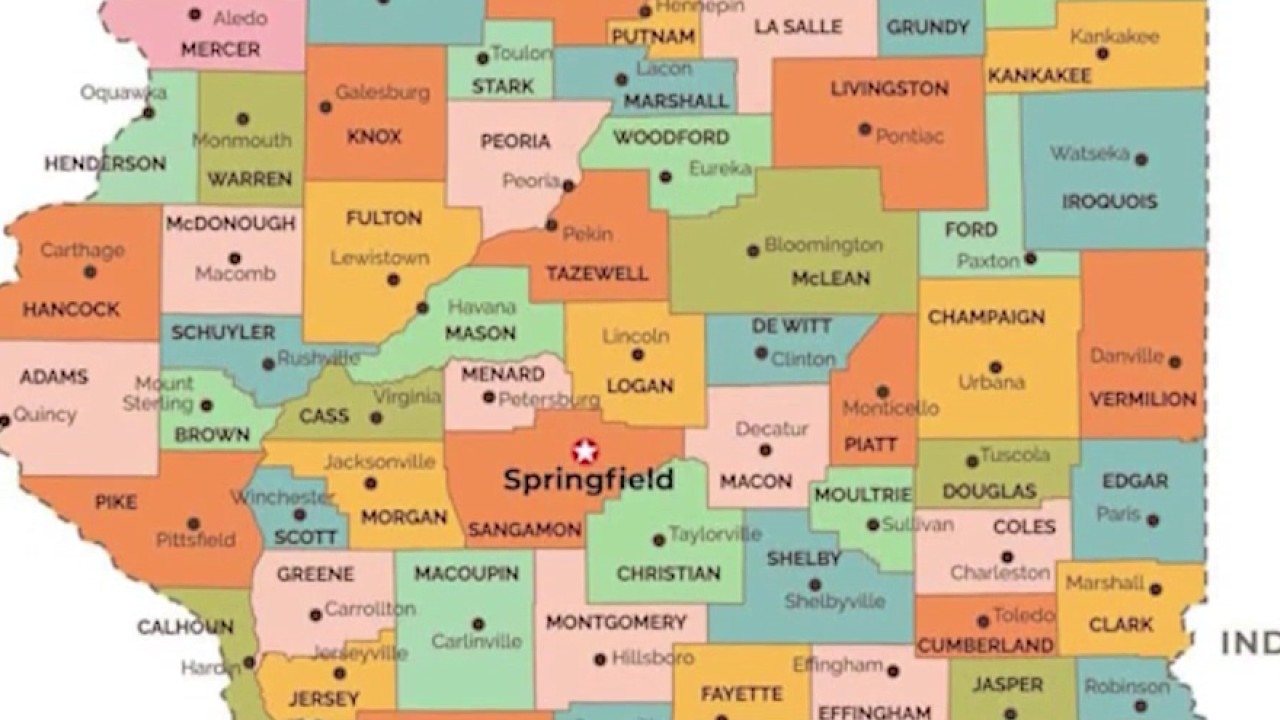
More Illinois counties vote to secede from state, form new one
Voters in 12 additional Illinois counties approved nonbinding measures to separate from the state, citing concerns about Chicago and Cook County's political influence.
CHICAGO - Dozens of Illinois counties have now voted in favor of non-binding measures calling for separation from the state, raising new questions about the growing divide between Chicago and downstate communities.
More Illinois counties vote to explore separation
What we know:
The latest round of referendums appeared on ballots in 12 counties, plus several townships within Adams County, during Tuesday's election, with all of them approving the measures.
The results bring the total to 45 Illinois counties that have approved non-binding secession referendums since 2020, according to a county-by-county review of election results and local officials.
The measures do not actually remove communities from Illinois. Instead, they give voters an opportunity to express support for exploring separation.
Supporters of the movement say communities outside the Chicago area are being overlooked by state lawmakers and that policies benefiting Cook County and Chicago can come at the expense of downstate Illinois.
"The state legislature tends to not take us into consideration when they're making their laws," said Loret Newlin, who is helping lead the Illinois Separation referendum effort.
Newlin said the movement is focused on creating an entirely new state rather than having downstate counties absorbed into Indiana.
She also acknowledged that separation would be a lengthy process. Any effort to create a new state would require approval from the Illinois General Assembly and Congress.
Which Illinois counties have approved secession referendums?
Dig deeper:
Since 2020, voters in 45 Illinois counties have approved non-binding measures supporting the exploration of separation from the state, including 12 counties in the November 2026 election.
2026 — 12 counties
- Coles
- Ford*
- Gallatin
- Hamilton
- Henderson
- Macoupin
- McDonough
- Monroe
- Piatt
- Saline
- Warren
- Washington
Several townships within Adams County also approved separation referendums in 2026.
Ford County approved a separately worded referendum that is not affiliated with the Illinois Separation campaign.
2024 — 7 counties
- Calhoun
- Clinton
- Greene
- Iroquois
- Jersey
- Madison
- Perry
2022 — 2 counties
- Brown
- Hardin
2021 — 1 county
- Edgar
2020 — 23 counties
- Bond
- Christian
- Clark
- Clay
- Crawford
- Cumberland
- Edwards
- Effingham
- Fayette
- Hancock
- Jasper
- Jefferson
- Johnson
- Lawrence
- Marion
- Massac
- Moultrie
- Pope
- Richland
- Shelby
- Wabash
- Wayne
- White
(Photo by Victor LOCHON/Gamma-Rapho via Getty Images)
Indiana says it would welcome Illinois communities
The other side:
While organizers are focused on the possibility of creating a new state, Indiana lawmakers are offering another option.
Indiana State Rep. Todd Huston told FOX Chicago in 2025 his state would be willing to have conversations with Illinois communities interested in joining Indiana.
"We're kind of raising our hand to say, 'Hey, don't start a 51 state, we would love to have ya in Indiana,'" Huston said.
Huston pointed to Indiana's lower taxes, regulatory environment and economic development as reasons Illinois residents might consider making the move.
He also cited more than 100,000 people moving from Illinois to Indiana since 2020.
Simon Institute research challenges funding claims
Big picture view:
But research from Southern Illinois University's Paul Simon Public Policy Institute offers a different perspective on one of the movement's central complaints: that downstate Illinois does not receive its fair share of state funding.
A study examining Illinois tax revenue and state spending found that downstate regions receive more state funding than they contribute in taxes.
According to the research, Southern Illinois receives approximately $2.81 in state funding for every $1 generated in taxes. Central Illinois receives about $1.87 for every $1 contributed.
By comparison, Cook County receives about 90 cents for every dollar it generates, while suburban counties receive approximately 53 cents.
The research was based on 2013 tax and budget records and examined how state revenue and spending were distributed across Illinois' regions.
Researchers also pointed to the political consequences of regional divisions, arguing that resentment between different parts of the state can make it more difficult to address broader public policy challenges.
What's next for the Illinois secession movement?
What's next:
For now, the referendum results are non-binding and do not change the political boundaries of Illinois.
Newlin says supporters will continue working to get the issue before voters in additional counties. She has said organizers have heard from people in every county in the state interested in pursuing referendums.
Even if voters continue to support separation, creating a new state would require approval from both the Illinois General Assembly and U.S. Congress.
For now, the growing number of referendum approvals serves as a political message to state leaders that frustration outside the Chicago area is not going away.
Maps: How Illinois counties voted in 2026 election
Here's how a county-by-county breakdown of how Illinoisans voted for governor and in the U.S. Senate race.
The Source: The information in this report came from FOX Chicago reporting, county election results, local officials and research from Southern Illinois University's Paul Simon Public Policy Institute.