

28 Chicago alders say Mayor Johnson's 2027 budget lacks votes to pass
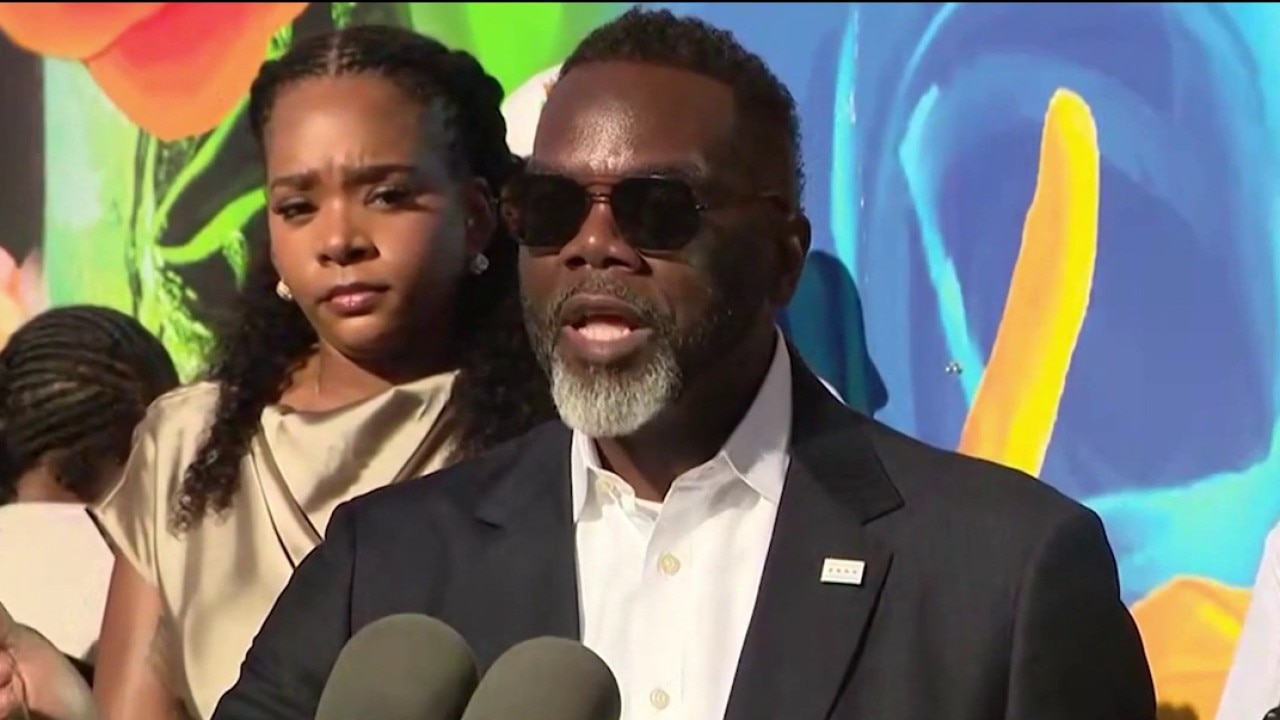
28 Chicago aldermen oppose Mayor Johnson's 2027 budget proposal
Twenty-eight Chicago aldermen say Mayor Brandon Johnson's proposed 2027 budget lacks the votes needed to pass, citing concerns over tax increases and spending.
CHICAGO - Mayor Brandon Johnson is facing renewed opposition from a majority of the Chicago City Council, with 28 aldermen signing a letter telling him his proposed $17.6 billion budget needs to go back to the drawing board.
Aldermen demand changes to Johnson's budget
What we know:
The letter, delivered Nov. 10, warns Johnson that he does not have the 26 votes required to pass his 2027 spending plan. The coalition is demanding a revised proposal that addresses the city's projected $882.4 million budget deficit without placing additional financial pressure on employers, small businesses and taxpayers.
But the mayor is pushing back, arguing Chicago cannot balance its budget at the expense of working families or abandon investments he says residents have been asking for.
The disagreement centers on how Chicago should close its budget gap and who should shoulder the financial responsibility.
The 28 aldermen, who identify themselves as the Budget Accountability Coalition, outlined several major objections in their letter to Johnson.
Among them:
- A proposed employee head tax: The mayor wants to charge companies with more than 125 employees $25 per worker each month. The coalition calls it a tax on jobs and argues it could discourage businesses from hiring or expanding in Chicago.
- A proposed lease tax increase: Johnson wants to raise the personal property lease transaction tax, or PPLT, from 15% to 20%. The tax applies to equipment rentals and certain software and cloud-based services.
- New spending: The coalition objects to tens of millions of dollars in additional spending while the city faces an $882.4 million deficit.
- Government efficiencies: The aldermen say Johnson's administration has not adequately implemented cost-saving recommendations identified by consulting firm Ernst & Young.
- One-time revenue and borrowing: The coalition argues the mayor is relying too heavily on temporary funding sources and borrowing to balance the budget rather than addressing recurring expenses.
The aldermen also point to more than $8.1 billion in outstanding debt owed to the city, saying approximately $3 billion could potentially be collectible.
They argue Chicago should pursue that money and identify actual spending reductions before asking businesses and residents to pay more.
Ald. Scott Waguespack, 32nd Ward, says the administration has had opportunities to identify savings but has not moved quickly enough.
"Instead of having savings and efficiencies worth hundreds of millions of dollars, he's just doubled down and added a few hundred million to his overblown budget," Waguespack said.
Waguespack also argues the proposed lease tax increase could affect everyday consumers, not just large corporations. Last month, FOX Chicago spoke with one small businessman, who explained why this will hurt him financially.
"When you rent software for your sole proprietorship, your small auditing shop, or if you're a contractor and you have to rent equipment to go fix somebody's bathroom ... a lot of what we're seeing now is the mayor is jacking up the taxes on those types of things," Waguespack said.
He says the additional costs could eventually reach consumers renting equipment or paying for services.
The mayor defends his investments
The other side:
Johnson argues the city cannot balance its budget on the backs of working people and says his spending priorities reflect requests from aldermen and residents.
The mayor points to $30 million for housing and homelessness, another $30 million for libraries and an expansion of Streets and Sanitation services.
He also says the budget includes additional mental health resources and opportunities for young Chicagoans.
"If we like the investments, we have to fund them, and we're either going to balance this budget by challenging those with means to put more skin in the game, or we're going to revert back to the type of budgets that caused mental health clinics to close," Johnson said.
The mayor is defending his proposed corporate taxes as a way to generate revenue without increasing the burden on working families.
He also challenged aldermen who oppose his proposal to bring forward alternatives.
"No one has come up with a viable solution other than saying what they do not want," Johnson said. "So people have to come to the table saying what they do want, what are they willing to do?"
Johnson says he plans to continue working with all 50 aldermen to reach an agreement.
Not all aldermen agree with the opposition
What they're saying:
Ald. William Hall, 6th Ward, is among those supporting the mayor's proposed budget.
Hall argues Chicago needs to protect investments in neighborhoods rather than focus exclusively on cutting spending.
He points to an additional mental health clinic and 1,000 more youth jobs as examples of programs he believes residents need.
"These are the things that Chicagoans want, help," Hall said. "These are not just pity investments. These are sustainable institutional new investments that will last for a long time in this city."
Hall also disputes the argument that finding additional government efficiencies necessarily means better management.
He says that approach can become a justification for cutting city jobs, while the mayor's proposal is intended to expand services and personnel.
"It's code word for job cuts," Hall said. "This budget does not lead to any job cuts. In fact, it's job creation."
Hall argues the city has already identified procurement savings and says critics should offer an alternative budget rather than simply reject the mayor's plan.
"Let's see an alternative budget. Let's stop with the criticism," Hall said. "Let's get away from the cameras, let's get in a room and let's keep Chicagoans first."
The $75 million parking meter dispute
The backstory:
Another major point of contention involves $75 million from the city's parking meter deal.
The coalition says the one-time payment was intended to go toward Chicago's underfunded pension obligations. Johnson's proposed budget initially used that money to help close the city's operating deficit.
On Nov. 2, the City Council voted 44-6 to redirect the money toward an additional pension payment.
Ald. Bill Conway, 34th Ward, said the original intent of the payment was clear.
"It was clear that this $75 million was clearly meant as a one-time little shot in the arm to these pensions, and it was a bit disingenuous to put it in the budget knowing that wasn't the intent," Conway said.
The dispute has become another example of the divide between the mayor and aldermen over how to address the city's long-term financial obligations.
What's next for Chicago's budget?
What's next:
Johnson's administration is now facing pressure to find a revised budget proposal that can secure the 26 votes needed for approval before the end of the year.
In a letter to City Council members, the mayor said his administration is evaluating revenue proposals from aldermen and developing new models of the proposed employee head tax and personal property lease transaction tax to address their concerns.
The mayor has not announced that either proposal is being withdrawn.
The 28 aldermen are making clear they will not support a budget that includes the proposed tax on jobs, the PPLT increase or additional spending.
With negotiations continuing, the question facing City Hall is whether Johnson and the opposing aldermen can find common ground on how to close the budget gap while protecting the services and investments they say Chicagoans need.
Featured
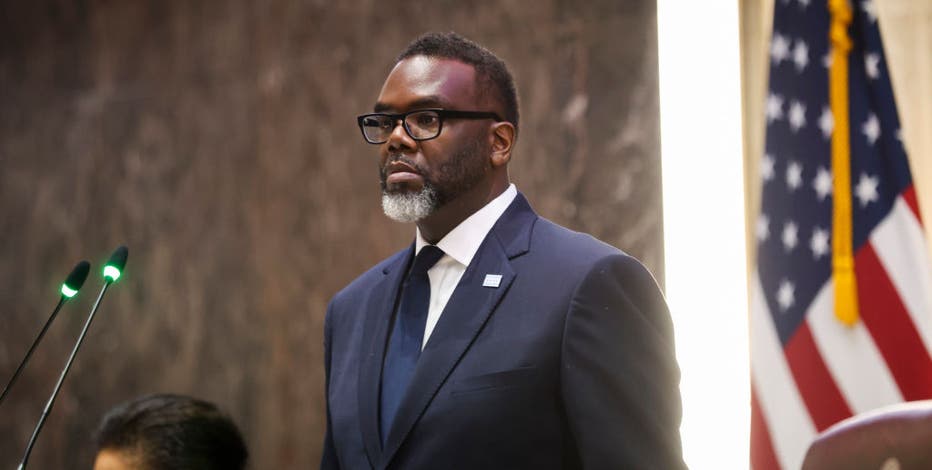
Chicago City Council votes to use $75 million parking meter payment for pension debt
Chicago City Council voted 44-6 on Monday to put $75 million from the city's parking meter deal toward pension debt, a move supporters say could save taxpayers millions but complicate the 2027 budget.
Who signed the letter?
Dig deeper:
The 28 alders who signed the letter are:
- Brian Hopkins (2nd Ward)
- Pat Dowell (3rd Ward)
- Desmon Yancy (5th Ward)
- Greg Mitchell (7th Ward)
- Michelle Harris (8th Ward)
- Anthony Beale (9th Ward)
- Peter Chico (10th Ward)
- Nicole Lee (11th Ward)
- Marty Quinn (13th Ward)
- Raymond Lopez (15th Ward)
- Stephanie Coleman (16th Ward)
- Derrick Curtis (18th Ward)
- Matt O’Shea (19th Ward)
- Silvana Tabares (23rd Ward)
- Monique Scott (24th Ward)
- Felix Cardona Jr. (31st Ward)
- Scott Waguespack (32nd Ward)
- Bill Conway (34th Ward)
- Gilbert Villegas (36th Ward)
- Emma Mitts (37th Ward)
- Nicholas Sposato (38th Ward)
- Samantha Nugent (39th Ward)
- Anthony Napolitano (41st Ward)
- Brendan Reilly (42nd Ward)
- Timmy Knudsen (43rd Ward)
- Bennett Lawson (44th Ward)
- James Gardiner (45th Ward)
- Debra Silverstein (50th Ward)
Read the full letter HERE.

28 Chicago alders say mayor's 2027 budget lacks votes to pass
Twenty-eight City Council members are calling for changes to Chicago’s proposed 2027 budget.
The Source: The information in this report came from FOX Chicago reporting, statements from Mayor Brandon Johnson and Chicago aldermen, and correspondence between the mayor and City Council members.