

Chicago City Council votes to use $75 million parking meter payment for pension debt
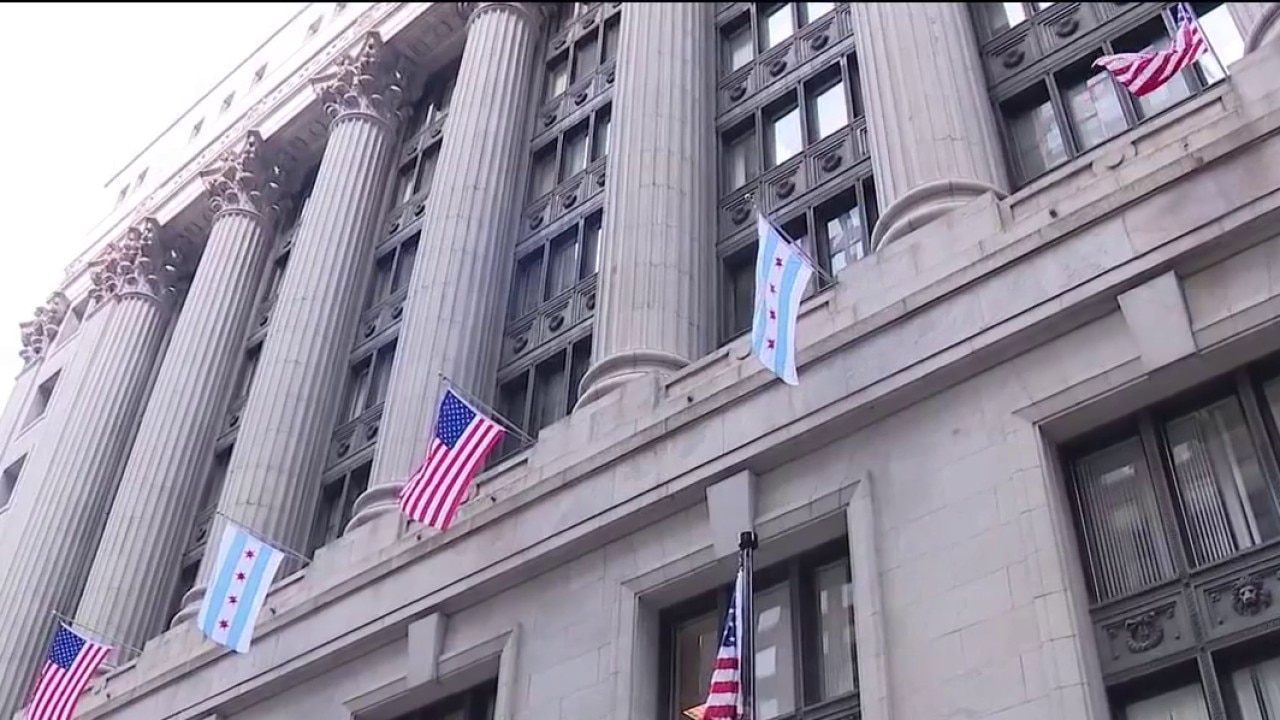
Chicago City Council votes to put $75M toward pension debt
Chicago City Council voted 44-6 to direct $75 million from the city's parking meter deal toward pension debt, raising concerns about a potential gap in Mayor Brandon Johnson's proposed 2027 budget.
CHICAGO - Chicago aldermen voted overwhelmingly Monday to put $75 million toward the city's pension debt, choosing long-term savings over using the money to help balance next year's budget.
Chicago aldermen approve $75 million pension payment
What we know:
The money came from Stonepeak after the City Council approved the deal involving Chicago's parking meter concession. But while supporters called the additional pension payment a responsible financial decision, opponents warned that the city still has to figure out how to pay for services that residents rely on.
The decision brings the city's controversial parking meter deal back into the spotlight.
In 2008, Chicago sold the rights to operate its parking meters for 75 years, bringing in a large upfront payment that helped balance the city's budget at the time. The deal has since become a symbol of what critics say was a shortsighted financial decision.
Now, aldermen are debating what to do with another $75 million connected to the parking meter concession.
The City Council voted 44-6 to direct the money toward Chicago's pension debt rather than leave it available to help balance the 2027 budget.
The city faces roughly $36 billion in pension liabilities. Supporters argue that making an additional payment now could reduce the amount taxpayers ultimately have to pay.
But the decision also means Mayor Brandon Johnson's administration must find another way to address the $75 million in its proposed budget for next year.
Supporters say the city could save $213 million
What they're saying:
Finance Committee Chair Ald. Pat Dowell, 3rd Ward, defended the ordinance, saying the money would go toward pensions on top of the city's existing obligations.
"This legislation explicitly states that these concession payments now and in the future are strictly in addition to the city's legally mandated statutory contributions and supplementary pension management policy," Dowell said during Monday's meeting.
Dowell also emphasized that the money would not replace payments the city already planned to make.
"These parking meter revenues will not be used to replace, offset or lower the baseline or supplemental payment," she said.
"Our actions today will save taxpayers conservatively $213 million over time," Dowell said.
Ald. Brendan Reilly, 42nd Ward, also argued that using the money now would be better for taxpayers than spending it to balance a single year's budget.
"This $75 million, on top of all that, is going to save us over $200 million by doing it this year," Reilly said.
Reilly recalled watching aldermen approve the original parking meter deal during the Daley administration and argued that the city should learn from its past financial decisions.
Rather than using the new money to balance next year's budget, Reilly said, the city should use the windfall to reduce future liabilities.
"This is a good deal for the taxpayers today, and it will be 10 years from now and people will thank us for making this choice rather than burning up this money in one year to balance one budget," Reilly said.
Ald. Matt O'Shea, 19th Ward, echoed that argument, saying making the payment in 2026 could save hundreds of millions of dollars for future generations.
Ald. Maria Hadden, 49th Ward, also supported the ordinance, comparing the decision to choosing between paying down debt and buying something a family needs immediately.
"Maybe you won $150 bucks on a scratch-off," Hadden said. "It is some unanticipated money, like, hey, are we putting this towards the credit card debt or are we going to use it, you know, to buy some shoes that the kids need?"
Hadden acknowledged that both options address important needs but said reducing pension liabilities now could help future Chicagoans.
"Future Chicagoans are going to hurt a little bit less by doing this," Hadden said.
Ald. Bill Conway, 34th Ward, argued that the $75 million was intended to provide an additional boost to the pension funds.
But he also acknowledged the immediate budget problem created by the decision.
"This puts a $75 million dollar hole in the mayor's budget and that is something that we are going to have to deal with in the coming weeks and frankly months," Conway said.
Not every alderman agreed that the additional pension payment was the right choice at this time. Ald. Jason Ervin, 28th Ward, warned that the city could be forced to make difficult choices involving programs that serve vulnerable residents. Ervin pointed to funding for homelessness services, libraries and summer jobs, arguing that the city should not have to choose between paying down pension debt and investing in communities.
"Now you want to make a decision that we got to choose between pensions and somebody's kids going to the library," Ervin said.
Ervin also argued that young people in neighborhoods such as Garfield Park, Englewood, North Lawndale and Little Village could feel the consequences of potential funding cuts.
"The people who end up paying for this are the people who need the services the most," Ervin said.
Ervin said he was not opposed to paying the city's pension obligations but questioned whether the additional payment should take priority over immediate community investments.
"We've got pressing needs that we need to deal with," Ervin said, pointing to $24 million in new investments intended to help people obtain summer jobs.
Ald. Byron Sigcho-Lopez, 25th Ward, also criticized the decision, arguing that city leaders should push for more structural solutions to Chicago's financial challenges rather than put the burden on residents who rely on city services.
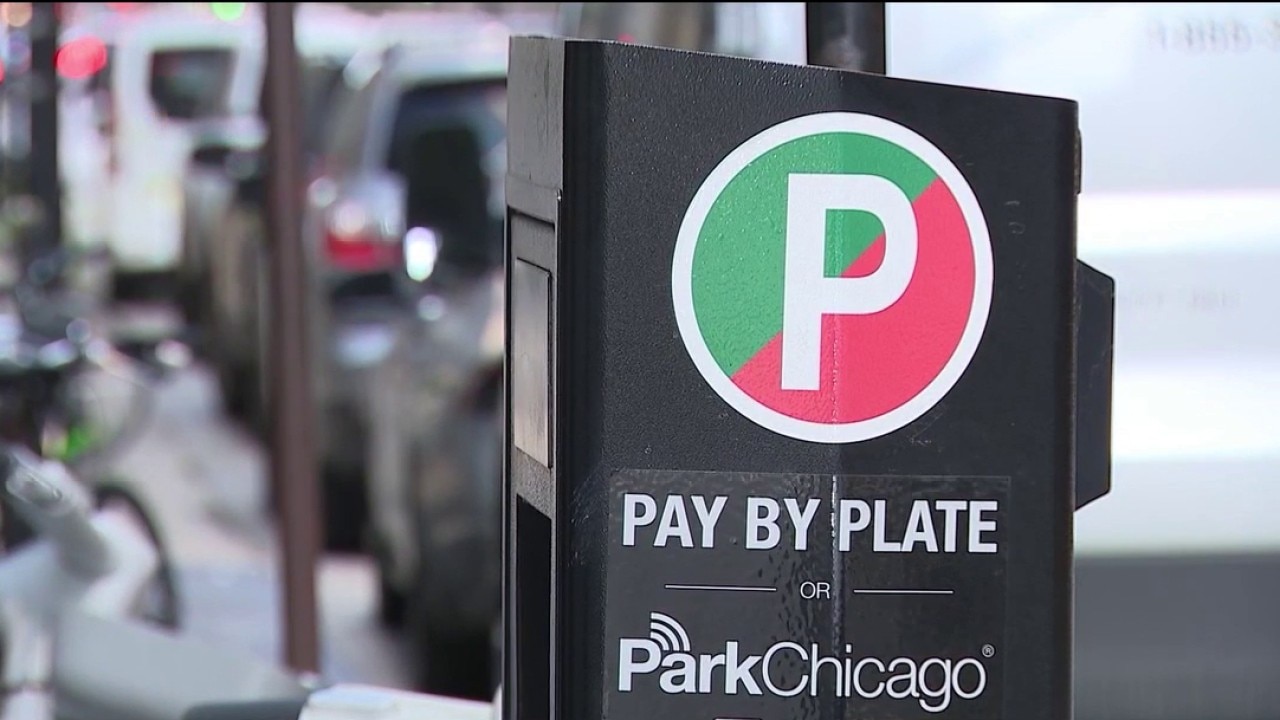
Chicago City Council votes to use $75M parking meter payment for pension debt
A City Council vote Monday has directed parking meter money toward Chicago’s pension debt.
Residents raised concerns before the vote
Dig deeper:
The debate extended beyond City Council, with residents and business representatives weighing in during public comment.
Some questioned whether an additional pension payment was necessary when the city is already making substantial contributions.
"We don't need to make an extra pension payment," resident Deborah Hudson said, arguing that the city's existing payments were sufficient.
Resident Alex Goldenberg also criticized the proposal, saying residents were watching how aldermen handled the budget.
"We want you to know that we're paying attention to this budget and there are limits to the shenanigans people of this city will tolerate," Goldenberg said.
Resident Adeline Bracey raised concerns about youth employment and the need for more opportunities for young people.
"We need our young people working, not twerking on top of cars. They need employment," Bracey said.
Carl Gutierrez, representing the Chicagoland Chamber of Commerce, criticized the disagreement over how to handle the money, saying the city needed to do better.
"Policy disagreements are one thing, but these misalignments to the public like this on something like this is wrong," Gutierrez said. "We are better than this, and we need to do better than this."
What the vote means for the 2027 budget
Big picture view:
Johnson had proposed using the $75 million toward his planned supplemental pension payment for 2027.
Aldermen who backed the ordinance argued the money should instead provide an additional payment now, rather than be used to free up money elsewhere in next year's budget.
But that leaves the administration with a new challenge: finding another way to account for the $75 million in the proposed budget.
The dispute is unfolding as aldermen also debate the mayor's proposed tax increases, including measures involving corporations, personal property leases and digital software.
Those proposals face their own political hurdles, making the budget debate more complicated.
The central disagreement is not whether Chicago has pension obligations. It is whether making an additional payment now is worth the potential budget pressures that could follow.
Next steps
What's next:
The city must continue working through its 2027 budget process, including how to address the $75 million no longer available for the mayor's proposed budget plan.
Aldermen who supported the pension payment say the projected long-term savings make it the responsible choice. Opponents argue the city must also protect funding for programs that serve residents today.
Dowell acknowledged that the city still has work to do to address the budget implications.

Chicago City Council approves parking meter lease sale
Chicago alders have approved a major deal involving the city’s parking meter lease.
The Source: The information in this report came from Monday's Chicago City Council meeting, including statements from aldermen, residents and business representatives.